Chapter 23: Truth-Telling – Breaking the Silence
Why Truth Matters
Colonisation in Australia has always relied on silence. Silence about massacres. Silence about stolen children. Silence about chains and prisons. Silence about slavery without the name.
For more than two centuries, national myths were built on this silence: the “peaceful settlement,” the “fair go,” the “lucky country.” These stories comforted non-Indigenous Australians but erased the lived realities of Aboriginal and Torres Strait Islander peoples.
Truth-telling is the act of breaking that silence. It is not about blame. It is about honesty – naming what happened and what is still happening. Without truth, there can be no justice. Without justice, there can be no reconciliation.
What Truth-Telling Looks Like
Truth-telling can take many forms, large and small:
Formal processes: Commissions like the Yoorrook Justice Commission in Victoria, which is documenting colonisation’s impact on Aboriginal people in that state.
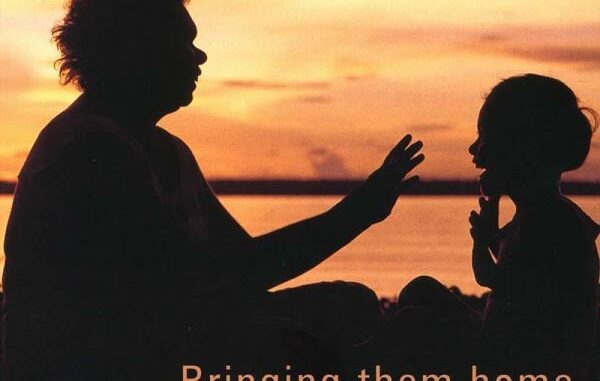
Community testimony: Survivors of the Stolen Generations sharing their stories publicly, as in the Bringing Them Home Report (1997).
Local projects: Councils and communities acknowledging massacre sites, renaming streets, or commemorating resistance leaders.
Education: Ensuring schools teach the real history of colonisation, not the sanitised version many Australians grew up with.
Media and culture: Amplifying Aboriginal voices, films, art, and writing that reveal truths long suppressed.
Truth-telling is not one event but an ongoing practice.
Why It Is Resisted
Powerful interests resist truth-telling because truth threatens the foundations of colonisation.
Land: Acknowledging dispossession raises questions of ownership and restitution.
Wealth: Exposing stolen wages and forced labour highlights debts still unpaid.
Sovereignty: Admitting that sovereignty was never ceded undermines the legitimacy of the Crown and state.
For vested interests, silence is safe. Truth is dangerous.
Why Truth Liberates Everyone
For Aboriginal and Torres Strait Islander peoples, truth-telling validates lived experience. It says: you were not imagining it, you were not exaggerating it, you were not alone.
For non-Indigenous Australians, truth-telling offers something equally important: release from denial. The burden of maintaining myths is heavy. Facing the truth allows the nation to grow up, to move beyond fear and dishonesty.
Truth-telling is not about making white Australians homeless, guilty, or fearful. It is about creating a shared foundation where everyone can see the same history and begin to imagine a different future.
Lessons From Elsewhere
Other countries show how truth-telling can be powerful:
South Africa: The Truth and Reconciliation Commission after apartheid exposed atrocities and created space for healing, even if imperfect.
Canada: The Truth and Reconciliation Commission on residential schools documented survivor testimonies and led to ongoing reforms.
New Zealand: The Waitangi Tribunal investigates breaches of the Treaty of Waitangi, acknowledging historical injustices and negotiating redress.
Australia has no equivalent national process. The Uluru Statement from the Heart called for one, but governments have been slow to act.
The Emotional Challenge
Truth-telling is painful. For Aboriginal and Torres Strait Islander peoples, it means reopening wounds. For non-Indigenous Australians, it means confronting stories they were never told, or never wanted to hear.
But pain is not the enemy. Denial is. Pain can lead to healing; denial leads only to repetition.
Why This Matters Today
Truth-telling is not optional. It is the first step toward treaty, reparations, and genuine reconciliation. Without it, Australia remains trapped in denial, repeating the same cycles of harm.
The silence has already lasted too long. Breaking it is an act of justice, respect, and hope.
Where This Leads
Truth alone is not enough. After truth must come repair. The next chapters will explore reparations and treaty – what they mean, why they matter, and how they can transform Australia into a nation that no longer runs from its past.
Continued tomorrow…
Link to Part 22:
From Ignorance to Understanding: Facing the Truth of Colonisation (Part 22)
Link to Part 24:
From Ignorance to Understanding: Facing the Truth of Colonisation (Part 24)
Dear reader, we need your support
Independent sites such as The AIMN provide a platform for public interest journalists. From its humble beginning in January 2013, The AIMN has grown into one of the most trusted and popular independent media organisations.
One of the reasons we have succeeded has been due to the support we receive from our readers through their financial contributions.
With increasing costs to maintain The AIMN, we need this continued support.
Your donation – large or small – to help with the running costs of this site will be greatly appreciated.
You can donate through PayPal or credit card via the button below, or donate via bank transfer: BSB: 062500; A/c no: 10495969


Be the first to comment