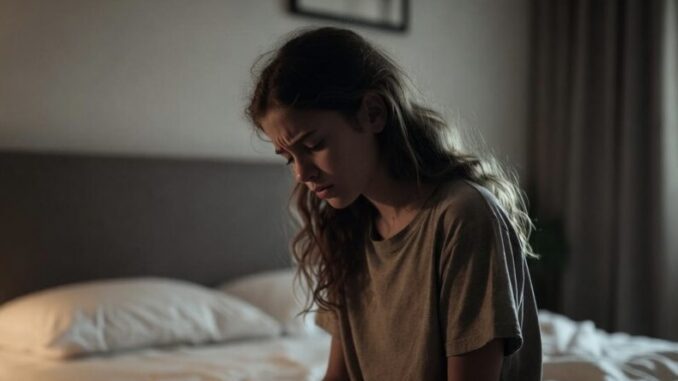
To all men,
Whenever a woman is hurt, mistreated or killed by a man, there is usually some discussion about what that woman did leading up to that event. Why did she trust him? Why did she stay? Why did she go over to his house? Why didn’t she report it sooner? Why didn’t she know he was capable of that? These questions may help us understand the risks of violence and how to avoid it. But there is something wrong with asking these questions in a way that blames women. A man decided to hurt a woman, and we are now looking at whether she knew he would. There is far too much onus on women to predict violence from men.
I want to start with a principle I think all men should abide by when talking about violence against women. Women should be allowed to be wrong about a man. They should be allowed to trust someone who may not deserve it. They should be allowed to get into relationships with someone who may become violent, or believe a man has changed and won’t hurt them again. They should be able to accept an offer, fall in love or be wrong about another person’s character. In some cases, the woman may not have done anything wrong in trusting a man. Maybe he acted like someone she could trust, only to betray that trust. It doesn’t matter whether she was wrong about that person; it shouldn’t make her responsible for his violence.
We all make mistakes about people we know. We may think someone is our best friend, only to find out they did something we didn’t know. You can’t know everything about people beforehand. If a man made that mistake, we wouldn’t assume he gave up his right to be safe. Why do we assume that if a woman is a victim of violence, she should have known the man would hurt her? No one can know everything about another person. People can hide who they really are or change over time. The person who hurt that woman should be held responsible, rather than blaming someone who might have been able to avoid him. Why are we placing so much responsibility on women to avoid being hurt by men? We should be educating men on how not to hurt women.
It’s a shame that Australia continues to have such high rates of violence against women by men. From the Australian Bureau of Statistics’ 2021–22 Personal Safety Survey, we know that women were more than three times as likely to have experienced sexual violence since the age of 15 by a man they knew than by a male stranger. Among women whose most recent sexual assault by a male occurred in the preceding 10 years, 53% said the perpetrator was an intimate partner, and 69% said the assault took place in a home. For their most recent physical assault by a male in the preceding 10 years, 87% of women knew the perpetrator, and 63% said he was an intimate partner. According to the Australian Institute of Health and Welfare (AIHW), on average, one woman was killed by an intimate partner every 11 days in Australia during 2024–25.
We need to understand that the man who hurts a woman is more likely to be someone she knows than a stranger. Someone who knows where she lives, knows her family and has slept in her bed. Maybe he’s even met her parents and celebrated her birthday with her. Just because a woman knows a man doesn’t mean he will always treat her well, or that because other men know him and think he’s a good guy, he will treat a woman well. We can escort a woman to her car and still not know if she is in danger at home.
Consider another statistic from the National Community Attitudes towards Violence against Women Survey. In 2021, 91% of respondents felt that violence against women was an issue in Australia. Only 47% felt that it was an issue in their local suburb or town. There is a big gap between recognising that violence against women is a problem in Australia and recognising that it can happen around us. We don’t know exactly why this gap exists, but it should make us think about why. Maybe it’s easier to condemn someone for violence when they are a stranger. Your opinion of someone accused of violence may change when that person is someone you know and like.
Which leads me to the phrase “not all men”. Yes, not all men. We all know that not all men commit violence, and there is a difference between men who have done nothing wrong and those who are guilty. But I feel like that phrase is often used when women are talking about statistics or how many women are affected by violence. A man will say, “Not all men”, and steer the conversation towards how he isn’t that type of guy. Then women may feel expected to reassure him that he isn’t that guy and that what she said shouldn’t apply to him. A woman shouldn’t have to say that before she can talk about the subject.
When a woman talks about how many men hurt women, she is talking about a serious problem. She doesn’t have to assure you that you are not that type of man. Just because some men don’t commit violence doesn’t change the harm caused by those who do. You’re also not automatically responsible for another man’s violence. There is a difference between being guilty and doing something about the problem. If you didn’t commit that crime, then you are not guilty of committing it. But if you know someone who is hurting a woman, you may be able to do something about it, whether it’s challenging your friend’s behaviour or helping the woman get to safety. Everyone has different circumstances, so your responsibility depends on what you know and what you can safely do.
We should not use “not all men” to deflect from talking about ourselves. If we keep saying that we are not the ones who hurt women, then we risk asking the wrong people to help solve this problem. We ask women to reassure us instead of listening to how they were affected, and we don’t talk about how we can be better. Especially if the person who hurt that woman is someone you know.
Let’s say a woman told you that her ex was hurting her and that ex was your best friend. You have known him for years, maybe even travelled with him. You may think that he would never do that to someone. How do you know what he does behind closed doors? You may know that he treats you nicely, but that doesn’t mean he treats everyone the same. We need to be careful about our bias toward other men. Maybe this guy is your favourite uncle or a great dad. Those are good qualities, but they shouldn’t be grounds to dismiss what a woman says.
Suppose a woman comes forward to tell you she was hurt. You need to listen to her and offer to help her stay safe. Everyone deserves to be treated fairly when someone makes an allegation, and you should assess allegations based on evidence. But we also need to remember that just because you know this man, he may have a side you are unaware of. The people who are certain he would never hurt a woman may never have seen what he does behind closed doors. I think we all need to know what violence looks like.
Some men think that violence only looks like hitting someone or killing them. There are many ways you can hurt someone without physically assaulting them. A man can decide who his girlfriend can see, look through her phone or follow her around. He can control her money or keep her from leaving the house. Over time, she may learn to act differently to avoid upsetting him. He may describe all of these things as caring or loving. One disagreement or unwanted request doesn’t necessarily mean someone is controlling. But if the behaviour happens repeatedly and you are scared to speak to them about it, you may be experiencing coercive control. Australian research recognises coercive control as a form of abuse and has documented it in cases of intimate partner homicide.
As men, we need to ask ourselves what we think is normal. Is it reasonable for a man to demand to know where his partner is at all times? What does he expect from her when he is unhappy? We know another adult controls their own life. But when it’s in a relationship, some men may feel they have more control than they actually do. We need to learn the difference between loving someone and wanting to control them.
She can love you and still disagree with you. She can say no to sex and want to see her friends. She can leave you at any time, whether you want her to or not. You may be upset, but you don’t have the right to punish her for leaving you. If you see her as an equal, then you should respect the same freedom you have. This is why I don’t like asking why she didn’t leave.
Leaving an abusive partner can increase the danger. According to the AIHW, actual or intended separation is a risk factor for intimate partner homicide. A study published by Australia’s National Research Organisation for Women’s Safety (ANROWS), examining intimate partner homicides from 2010 to 2018, found that actual or intended separation was a feature in 58% of the 224 cases examined in which a man killed a female intimate partner. There may be reasons why she didn’t leave. She could face threats against herself or her children, or have no money of her own. We tell women to leave if they are being abused, but we may overlook that leaving can put them in more danger.
It’s sad to know that one in four respondents to the 2021 National Community Attitudes Survey believed that a woman who does not leave an abusive partner is partly responsible for the abuse continuing. Staying can also be dangerous, and neither choice makes her responsible for the abuse. As men, we should not blame women for staying with an abuser. We also need to stop automatically doubting women when they come forward with information about a man.
From the 2021 National Community Attitudes towards Violence against Women Survey, 37% of respondents thought that women going through custody battles often fabricate or exaggerate claims of domestic violence to gain an advantage in their case. How would you feel knowing that more than a third of respondents held that view of women going through custody disputes? If you tell someone you were hurt, you may worry they’ll doubt you. If others like the man you are talking about, they may give his word more weight than yours. Again, everyone deserves a fair process, and allegations should be assessed on evidence. But I feel like we doubt women too much when they come forward.
According to the ABS, among women who did not report their most recent sexual assault by a male to police, around 26% said one reason was that they felt they would not be believed. If women expect not to be believed when they are hurt, some may be less likely to report abuse, making it harder to identify these crimes early. If we think a man is a good guy because he is well liked, we may allow him to continue hurting women. As men, we need to step up and talk to each other when we hear someone threatening or speaking abusively about a woman.
Suppose a man tells his mates that his ex is crazy or that he will ruin her life. Some men may know something isn’t right, but they won’t say anything because they are friends with him, or maybe they think that’s how all relationships are. Talking to your mate about this may cost you some friends. But if he is hurting that woman, the consequences for her could be far more serious. According to Our Watch’s framework on preventing violence against women, male peer cultures that encourage aggression, dominance and control are among the drivers of violence against women. This does not mean that every man who makes a sexist joke will hurt a woman. But tolerating sexist jokes and comments can help normalise disrespect towards women and excuse abusive behaviour.
As men, when we recognise our mates are acting out of line, we should speak up and tell them it’s not okay, even if no women are around and no one else will help us stand up for them. If you think your mate is being controlling towards a woman, take it seriously and think about the safest way to respond. Make sure you don’t put that woman in more danger by confronting him.
Another thing that we need to look at is when men call themselves protective. Many men think they are women’s protectors. Whether it’s their daughter, sister or girlfriend, they feel no one will hurt her because they are there. I think we all need to question why we think that women need us to protect them. They should be able to feel safe without a man. If you are going to protect a woman, you shouldn’t try to control her. Women shouldn’t have to rely on men to keep them safe. We need to question men when they behave abusively towards women.
We want women to have freedom without us thinking we need to approve of it. We take many freedoms for granted, and men and women should have the same freedoms. There are so many ways that violence affects women that we don’t see. Maybe a woman won’t go to that party because a guy made her feel uncomfortable. Or maybe she won’t flirt with that guy at work because she’s afraid of how he will react. She may never be hit or killed by a man, but she may still be living her life in fear of what a man could do. She may be limiting her freedom because of a man’s ability to hurt her.
I think we should aim beyond preventing assaults and killings. We should want women to have the freedom to say no to a man without worrying about the consequences. There are many things we can do to help prevent violence, but we need men to help. I think we also need to understand that a man can be angry or hurt, but that doesn’t give him the right to hurt someone else. Just because he has been through something doesn’t mean he can do the same to someone else. We need to provide men with resources that help them stop abusive behaviour. These resources should prioritise women’s safety and help men take responsibility for their behaviour. We should not make women responsible for preventing men from hurting them.
If you know that you are controlling someone, get help and change your ways. Don’t put that burden on your partner. We also need to provide more resources to women who are being hurt. Educating men alone cannot keep every woman safe. I know that some men may appreciate hearing these points from another man. But women have been making them for years. Many women have spoken out about violence against women. It’s time for men to listen. I hope that by writing this, I can help more men listen to what women have to say. But I would rather women didn’t need a man to help them get heard.
There is one thing I want men to know. We are not the only ones who need to solve this problem. Yes, the man who hurt her is the one responsible for doing it. But we as men can help stop violence against women. We can help by challenging friends who behave abusively or helping women get to safety. Sometimes we don’t have all the information. We may not want to jump to conclusions or worry that we are being unfair to someone. But we should recognise when something isn’t right, like when someone talks abusively about a woman, calls her names or says he will get back at her for leaving him. We need to question that.
Even in your own relationships, suppose your girlfriend does something that you don’t like. Do you respect her freedom? I know it’s hard to judge someone when you may not have all the facts. But we should take threatening and controlling behaviour seriously. We shouldn’t let ourselves be the reason a woman is scared to tell us something. I hope that a woman can tell me no without worrying that I will punish her for it. I hope she can live her life without worrying about me retaliating. That’s what we should all expect of ourselves as men.
I want women to feel safe around men. I want them not to fear leaving a relationship. I want them to know that if they tell us something, we will listen and help them. I want girls to grow up in a world where men face greater expectations to control their own behaviour than girls do to protect themselves from it. We can’t control what every person will do, and we can’t guarantee that every man will behave well. But we can hold men accountable for their actions.
So next time a woman tells you that a man hurt her, don’t say “not all men”. Listen to her and ask how you can help. If that man is someone you know, remember that he may have two sides – one you know and one she knows. Listen to her and help her stay safe. If that man is you, stop hurting that woman and get help. A woman should be allowed to be wrong about a man. He may have hurt her, but that doesn’t make her responsible for his actions.
Keep Independent Journalism Alive – Support The AIMN
Dear Reader,
Since 2013, The Australian Independent Media Network has been a fearless independent voice – holding power to account and delivering journalism that matters.
Running this site isn’t cheap. Rising costs mean we need your support now more than ever. Every donation, big or small, keeps our servers running, our writers working, and our stories free for everyone.
Donate here:
PayPal or credit card – just click on the Donate button below
Direct bank transfer: BSB: 062500; A/c no: 10495969

We’ve also set up a GoFundMe as a dedicated reserve fund for hosting and future improvements.

Thank you for standing with us. We couldn’t do this without you.
With gratitude,
The AIMN Team

Unprovoked violence on any one, male , female, young or old, should be condemned and punished. Violence is not an answer to one’s problems at a personal, community or national level, violence in my view should only be used in self defence.
But violence is an inherited trait, in both the human and animal world, which brings us back to survival of the fittest.
When a person, male, female, young or old, is suffering stress, be it emotional of physical, a look, smartassed comment or some form of condemnation is often enough to trigger DV.
DV, to a greater or lesser degree is a two way street.
Do we have a troll alert on here.