By Denis Hay
Description
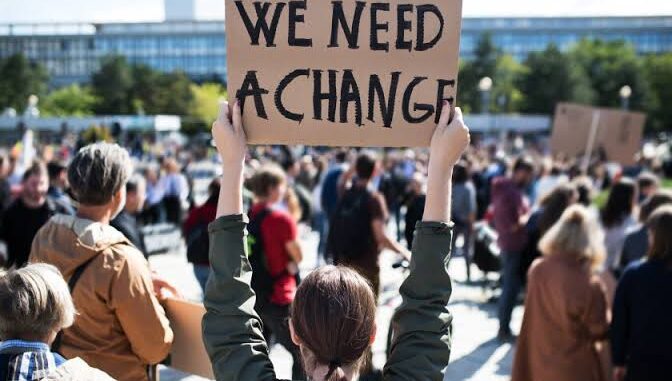
Citizen-led political change is rising. Discover how Australians can unite to shift power from elites to the people through grassroots reform.
🎧 Prefer to listen to this article? Press play
Introduction: The Growing Demand for Change
Australia’s political system is increasingly serving the interests of corporations and the wealthy few, leaving ordinary citizens disillusioned, unheard, and unrepresented. From unaffordable housing and healthcare to environmental inaction and stagnant wages, many Australians are asking: Who is the government really working for?
The answer isn’t complicated: powerful interests have captured the political process. But change is possible – if we create a mass citizen-led political change movement to reclaim democracy.
This article outlines how citizen-led political change can grow, what obstacles it must overcome, and what reforms it must demand to build a just society for all.
Problem – A System That Works for the Few
Corporate Capture of Politics
Corporations dominate Australian politics through donations, lobbying, and influence over both major parties. In 2022 alone, more than $137 million in political donations were made, with much of it hidden behind loopholes and shell entities (source: Transparency International Australia).
Eroding Public Trust
A 2023 Lowy Institute poll found that only 49% of Australians believe democracy is preferable to any other form of government – down from 60% in 2007. Many citizens now feel powerless, believing elections change little (source: Lowy Institute).
The Media’s Role in Maintaining the Status Quo
Mainstream media, often owned by billionaires, frames political debates in ways that serve the interests of its owners. Dissenting voices and grassroots demands are marginalised, discouraging mass mobilisation.
Why It Hurts – Citizens Are Paying the Price
The consequences of ignoring the need for citizen-led political change are visible in every sector.
Policy Failure Across the Board
From housing and education to climate and healthcare, current policies enrich the private sector while leaving communities behind. Privatisation of essential services has led to poorer outcomes, higher costs, and reduced access for vulnerable Australians.
Rising Inequality
The top 1% of Australians now own more wealth than the bottom 70% combined (source: Oxfam Australia). Wealth trickles up – not down – under our current system.
Political Apathy and Despair
When people feel their voices don’t matter, apathy sets in. This allows power structures to remain unchallenged, creating a cycle of disempowerment and injustice.
The Solution – A Citizen-Led Political Groundswell
Driving Citizen-Led Political Change
Mass movements have always driven real reform – from women’s suffrage to Indigenous land rights. Globally, movements in Iceland (2009), Chile(2019), and the Arab Spring show how grassroots action can disrupt entrenched systems.
Conditions Are Ripe
Economic pain, climate crises, housing shortages, and a deep mistrust in politics have created fertile ground for citizen action. The digital era has also enabled decentralised mobilisation at scale, making citizen-led political change more viable than ever before.
How to Build the Movement
1. Educate the Public
Political literacy and media literacy are vital. Understanding how power works – and how it can be challenged—is the foundation of change. Local forums, community media, and online platforms like yours can lead the way.
2. Unite Across Divides
Building momentum for citizen-led political change means mobilising at every level. Movements succeed when they bridge the gaps between race, class, age, and region. Working-class Australians, First Nations communities, students, renters, and retirees all have shared interests in political reform.
3. Build Local Power
Create citizens’ assemblies, mutual aid groups, and community campaigns. Local action builds trust and sets the stage for larger-scale mobilisation. These grassroots efforts lay the foundation for sustained citizen-led political change.
4. Use Strategic Non-Cooperation
Peaceful methods like boycotts, strikes, and tax refusals can shift power. Targeted disruption challenges the legitimacy of corrupt systems and forces responses. Nonviolent resistance has always played a powerful role in driving citizen-led political change.
What Reforms Should We Demand?
Electoral and Political Reform
- Ban political donations and close loopholes
Corporate influence distorts policy and weakens democratic integrity. Donations must be capped, and all contributions must be fully disclosed in real-time. - Transition to proportional representation
The current system locks in major party dominance. Proportional voting would allow diverse voices to gain fair representation in Parliament. - Strengthen the National Anti-Corruption Commission (NACC)
While Australia technically has a federal corruption watchdog, the NACC lacks the power and independence to hold politicians and public officials fully accountable. It faces limitations in initiating investigations, lacks retrospective powers, and is restricted in addressing systemic or “grey area” misconduct.
For the Commission to perform its intended function, it must be given broader investigative authority, full transparency in findings, and protection from political interference. Australians deserve a watchdog that bites – not one that barks on command and protects the powerful from scrutiny.
A credible anti-corruption body is critical to restoring trust and enabling citizen-led political change.
Economic Justice
- Implement a federal Job Guarantee (source: It’s time for a serious consideration of a job guarantee, John Menadue).
- Reclaim public services from private hands.
- Raise the aged pension and Newstart to liveable levels.
Climate and Environmental Action
- End fossil fuel subsidies.
- Fund clean energy transition through sovereign spending.
- Protect First Nations land rights and cultural heritage.
The Power of Australia’s Dollar Sovereignty
Why Funding Isn’t the Problem
As the issuer of its own sovereign currency, Australia can never “run out of money.” The constraint is not dollars – it’s political will and available real resources.
Debunking the Budget Myth
Surpluses are not signs of good management – they are evidence of government hoarding financial resources that should be invested in public well-being.
Public Spending as a Tool for Justice
Sovereign currency allows us to fully fund healthcare, education, housing, climate action, and employment without relying on corporate handouts or austerity measures (source: MMTed). Such investment is central to the goals of citizen-led political change.
Obstacles to Expect
Media Smears and Fear Campaigns
Movements will be labelled “radical,” “unrealistic,” or “dangerous.” But these are tactics to maintain elite control.
Internal Division
Corporate forces exploit identity politics and wedge issues to fracture movements. A strong shared vision must always take precedence.
Lack of Visible Wins
Movements often take time. Short-term setbacks are inevitable. Resilience and long-term thinking are key. Overcoming these challenges is essential to sustaining citizen-led political change.
A Call for Leaders to Step Forward and Take Charge
Skilled Australians Must Lead This Groundswell
For a citizen-led political change to succeed, it must be shaped by those who understand how to organise, mobilise, and manage collective action. This is a call – not for volunteers – but for capable individuals with the necessary skills, experience, and commitment to take charge of coordinating this movement.
Australia needs:
- Strategic thinkers who can build alliances and map power
- Organisers who understand how to mobilise communities
- Project managers and policy experts who can guide initiatives.
- Communicators, educators, and media creators to spread the message.
- Technologists and networkers to build digital infrastructure.
You don’t need permission to lead. If you believe in the need for political reform that prioritises the interests of people over corporate power, now is the time to act. The country does not need more followers—it needs determined, visionary citizen leaders ready to build the scaffolding for lasting change.
This Movement Will Only Grow if People Lead It
This groundswell will not be managed from the top – it must be organised from the ground up. If you have the skills and conviction, take the initiative. Build networks. Launch local hubs. Draft reform frameworks. Host assemblies. The responsibility is yours to claim.
History remembers those who act. Now is your moment.
Why This Matters
The status quo is not sustainable. Our economy, climate, mental health, and social cohesion are under pressure. Without bold, citizen-led action, these issues will worsen. Evidence suggests that governments rarely act unless they are pressured. A groundswell is not only desirable – it’s necessary for justice and survival.
The urgency for citizen-led political change grows as the system fails more people.
Final Thoughts – The Power Is with Us
Political change won’t come from those benefiting from the system. It will come when millions of Australians recognise their shared power and decide to act. The mechanisms exist. The resources exist. What’s missing is mass mobilisation and belief in our collective strength.
Let’s reclaim democracy through citizen-led political change – for the many, not the few.
Reader Engagement Question
What would inspire you to join or support a citizen-led movement for political reform in Australia?
Q&A Section
Q: What is a citizen-led movement?
A: A citizen-led movement is driven by everyday people, not politicians or elites, working together to demand and create systemic change.
Q: Why do we need electoral reform in Australia?
A: Our current system benefits major parties and their corporate donors. Reform would ensure all voices are represented more fairly in Parliament.
Q: Can Australia afford public services without raising taxes?
A: Yes. As a currency-issuing nation, Australia can fund services using its sovereign spending power – taxes are used to manage inflation and redistribute wealth, not fund spending directly.
Q: Has this kind of change ever happened before?
A: Yes. Major reforms – from Medicare to marriage equality – were driven by people-powered movements demanding action.
💬 We’d Love to Hear from You!
Inspired by this article?
✅ See what others are saying on our Reader Testimonials page.
✅ Share your thoughts via our Reader Feedback form – your voice helps shape future content.
✅ Scroll down and leave a comment below to join the discussion.
If this article resonated with you, explore more on political reform and Australia’s monetary sovereignty at Social Justice Australia.
📢 Spread the word:
Share this article with friends, family, or your social networks to keep the conversation going and help build a fairer, more just Australia.
⭐ Support Independent Voices That Challenge the Status Quo
We’re 100% reader-supported – no ads, no corporate strings. Just honest, truth-driven journalism.
💸 Donate Now – one-time or monthly
Even $5 helps us keep publishing.
🙌 Already donated? Please leave us a quick review on Google to help others find us.
This article was originally published on Social Justice Australia
Dear reader, we need your support
Independent sites such as The AIMN provide a platform for public interest journalists. From its humble beginning in January 2013, The AIMN has grown into one of the most trusted and popular independent media organisations.
One of the reasons we have succeeded has been due to the support we receive from our readers through their financial contributions.
With increasing costs to maintain The AIMN, we need this continued support.
Your donation – large or small – to help with the running costs of this site will be greatly appreciated.
You can donate through PayPal or credit card via the button below, or donate via bank transfer: BSB: 062500; A/c no: 10495969




Democracy is the rule by majority and changes are necessary.
Our system is the rule by 50%+.
If a loud voice will affect democracy then it will be heard.
Quiet voices can become loud without quotas????