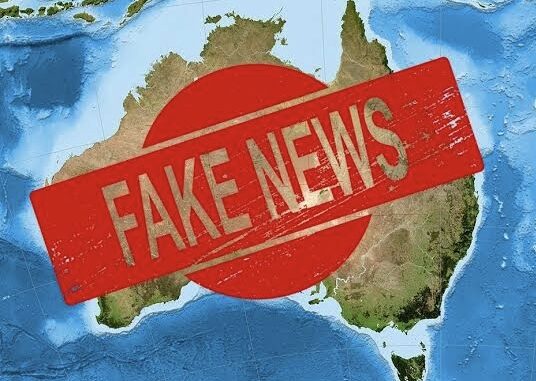
In a world where information moves faster than fact-checkers can keep up, the last decade has marked a turning point in the history of misinformation. Fake news – once the stuff of fringe tabloids and conspiracy forums – has now become a mainstream political weapon, a public health risk, and a persistent threat to democracy itself.
The term exploded into the global lexicon during the 2016 U.S. presidential election, fuelled by Donald Trump’s relentless attacks on the media and his ability to label inconvenient truths as “fake news.” Since then, it has taken on a life of its own. From false claims about election fraud and vaccine microchips, to the more subtle manipulations of AI-generated content, fake news has evolved into a complex, shapeshifting force.
Australia has not been spared. Misinformation during the pandemic and the 2019, 2022 and 2025 federal elections mirrored international trends – often amplified by social media, fringe candidates, and sometimes even major news outlets.
This is a modern history of fake news: how it rose, how it spread, and how it continues to test the resilience of truth in our democracies.
The Trump Era and the Weaponisation of ‘Fake News’
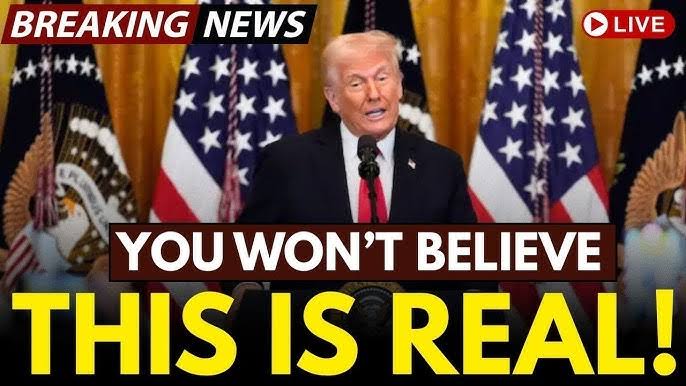
No modern figure has done more to both popularise and distort the term “fake news” than Donald Trump. What began as a legitimate journalistic concern – the spread of disinformation online – was seized upon by Trump and repurposed into a political battering ram. Within weeks of his 2016 election win, he began referring to mainstream media outlets as “the enemy of the people,” a chilling echo of authoritarian rhetoric.
For Trump, “fake news” became a catch-all phrase. It was used not to describe deliberate fabrications, but rather any news story that challenged his narrative or damaged his image. The Washington Post, CNN, The New York Times – all became regular targets. Journalists were heckled at rallies. Truth became negotiable.
His administration further muddied the waters with the introduction of “alternative facts” – a phrase allegedly coined by White House adviser Kellyanne Conway in defence of false claims about inauguration crowd sizes. It was a moment that perfectly encapsulated the emerging era: not just the denial of facts, but the active creation of alternate realities.
In this climate, fake news flourished – not just from foreign troll farms, but from within the political establishment. Trump repeatedly promoted conspiracy theories, from birtherism to claims that climate change was a hoax. In 2020, he laid the groundwork for months of chaos by insisting, without evidence, that the election would be “rigged.” When he lost, he refused to concede, spreading false claims of widespread fraud that led directly to the January 6 Capitol insurrection.
In 2025 Trump continues to use fake news both as a shield and a sword – dismissing investigations, deflecting questions about Epstein with wild conspiracy theories, reshaping reality, and keeping his base firmly entrenched in a world where the truth is whatever he says it is.
The Covid-19 Pandemic and the Global Infodemic
When the Covid-19 pandemic hit in early 2020, the world faced a dual crisis: a deadly virus – and a viral outbreak of disinformation. The World Health Organization coined the term “infodemic” to describe the sheer volume of misleading, false, and dangerous information spreading online. It was a perfect storm: fear, confusion, political opportunism, and social media algorithms all working together to undermine public trust.
From the beginning, fake news spread faster than science could keep up. In the early months, bizarre conspiracy theories flooded Facebook and YouTube – ranging from claims that 5G towers were spreading the virus, to suggestions that the virus was a hoax altogether. Others falsely claimed that drinking bleach or taking hydroxychloroquine would cure Covid. These weren’t just fringe views; many were amplified by influential public figures, including then-President Trump, who openly floated such “treatments” during press briefings.
But it wasn’t just the United States. Around the world, misinformation created confusion over masks, lockdowns, vaccines, and the very origins of the virus. Debates raged about whether Covid had leaked from a lab in Wuhan – a theory initially dismissed as conspiracy but later reconsidered by some scientific communities. This evolving narrative only added fuel to the fake news fire, giving oxygen to grifters, extremists, and political operatives seeking to exploit uncertainty.
Social media platforms struggled to respond. Efforts to fact-check or label misinformation were dismissed by some as censorship, further entrenching mistrust. Meanwhile, malicious actors – both foreign and domestic – flooded online spaces with coordinated disinformation campaigns aimed at undermining governments, sowing division, or simply profiting from fear.
In the end, fake news cost lives. Vaccine misinformation in particular led to real-world consequences, from vaccine hesitancy to protest movements, and in some cases, violent confrontations. Truth became politicised. Public health became polarised. The pandemic revealed the profound danger of a world where truth is negotiable – and it raised urgent questions about how democracies function in the digital age.
Fake News Down Under: Australia’s Turn in the Disinformation Spotlight
Australia, often seen as an island of political stability, was not immune to the global rise of fake news. If anything, the pandemic and federal elections revealed how vulnerable even well-established democracies are to the corrosive effects of disinformation.
During Covid, conspiracy theories familiar to American audiences quickly found fertile ground in Australia. Anti-lockdown and anti-vaccine protests sprang up in capital cities, fuelled by misinformation that spread like wildfire across Facebook, Telegram, and YouTube. Claims that the government was forcing microchips into arms, that 5G networks were part of a global control scheme, or that the pandemic was a United Nations hoax were once fringe – but suddenly began appearing on banners at rallies.
A homegrown influencer class emerged: YouTubers, self-styled “freedom fighters,” and minor political figures who gained large followings by feeding people exactly what they wanted to hear – that science was fake, that the government was lying, and that the media couldn’t be trusted. Mainstream outlets were labelled “traitors,” while fringe conspiracies went unchecked on digital platforms.
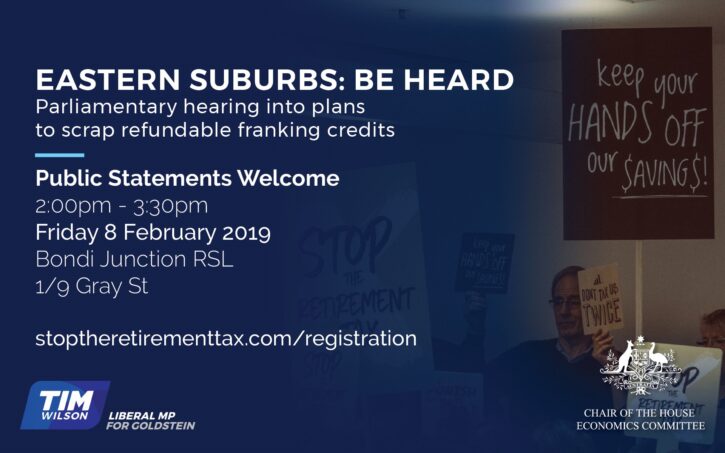
The fake news problem deepened during election cycles. The 2019, 2022 and 2025 federal elections saw coordinated campaigns of misinformation targeting Labor, the Greens, independents, and even the Australian Electoral Commission. Clumsy Facebook ads and doctored photos circulated widely. One common tactic was the deliberate misrepresentation of policy – like claims that Labor planned to “tax retirements” or that voting for an independent was a vote for “chaos.” Few of these claims were grounded in reality, but they were shared widely.
Sky News played a complex role. While not outright promoting fake news, some of its commentary programs dabbled in highly partisan narratives, often amplifying doubts about public health measures or exaggerating the threat of “left-wing extremism.” Their YouTube channel, in particular, became a magnet for global audiences seeking an Australian version of Fox News. The line between opinion and disinformation became blurred.
Even the Voice referendum in 2023 wasn’t spared. In the months leading up to the vote, disinformation targeting Indigenous Australians spread across social media – from suggestions the Voice would lead to land seizures to baseless fears about “special rights.” It was a painful reminder that fake news doesn’t just mislead – it can wound, divide, and delay progress.
Australia’s fake news ecosystem may not be as industrialised as that of the United States, but its effects have been no less toxic. And like elsewhere, the challenge ahead lies not just in identifying falsehoods, but in restoring trust – in institutions, in media, and in one another.
Truth in the Age of Chaos
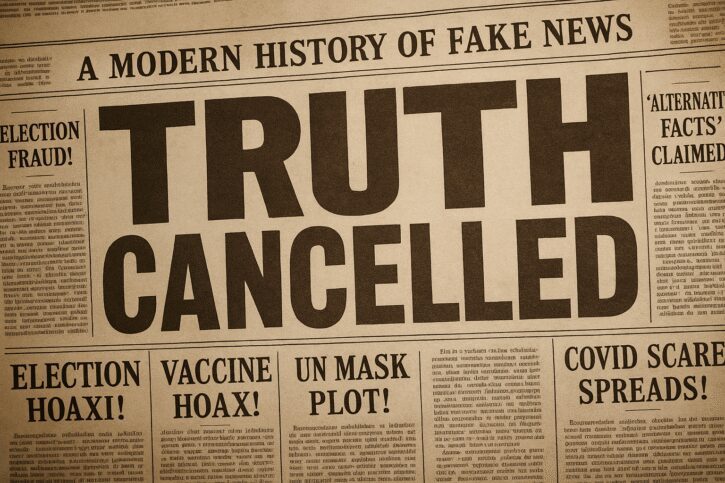
Over the past decade, fake news has evolved from an occasional irritant into a powerful and ever-present force – one that undermines democracy, distorts public health responses, and poisons political discourse. What was once fringe is now mainstream. What was once laughed off is now legislated against. And what was once assumed to be true must now be double-checked, verified, and questioned.
We’ve seen world leaders – especially Donald Trump – weaponise fake news not just as content but as a political tool: to sow doubt, to delegitimise critics, and to build cults of personality. We’ve seen social media platforms fail spectacularly to contain the contagion of lies, often profiting in the process. And we’ve seen ordinary people, overwhelmed by information, turn to the loudest voices – not always the most truthful ones.
Australia, like so many other nations, has not escaped this storm. From Covid denial to election smears to the divisive campaign against the Voice, we’ve watched as fake news eroded civility and corroded trust. Truth, once considered a common good, is now contested territory.
But if the past ten years have shown us the scale of the problem, they have also shown us the shape of the solution. Media literacy is no longer optional – it’s essential. Regulation of tech platforms must be matched by education at every level. Independent journalism must be supported, not sidelined. And above all, truth-telling must become a cultural norm, not just a professional ideal.
“A modern history of fake news” is not just a cautionary tale of the past – it’s a call to vigilance for the future. Because if we allow truth to remain optional, democracy itself becomes negotiable.
And that, surely, is too high a price to pay.
Also by Roswell:
“We’re Doing it for the Kiddies”: Australia’s Next Big Ban Bonanza
Dear reader, we need your support
Independent sites such as The AIMN provide a platform for public interest journalists. From its humble beginning in January 2013, The AIMN has grown into one of the most trusted and popular independent media organisations.
One of the reasons we have succeeded has been due to the support we receive from our readers through their financial contributions.
With increasing costs to maintain The AIMN, we need this continued support.
Your donation – large or small – to help with the running costs of this site will be greatly appreciated.
You can donate through PayPal or credit card via the button below, or donate via bank transfer: BSB: 062500; A/c no: 10495969


Be the first to comment