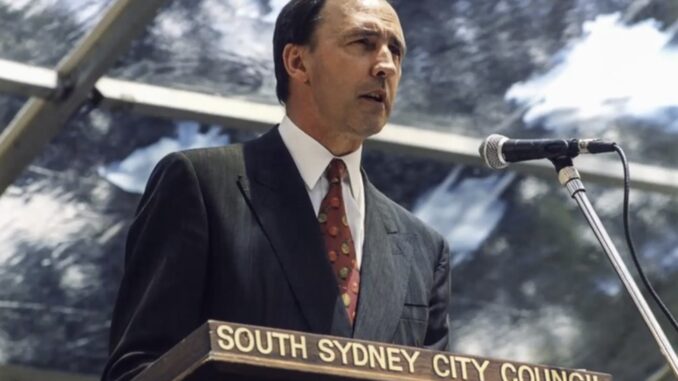
I’ve listened to many truly great speeches over the years. Some stand out for their power and lasting impact.
Martin Luther King Jr.’s “I Have a Dream” speech remains unforgettable. By repeating the phrase “I have a dream,” Dr King created rhythm, built emotional intensity, and etched his vision into the minds of his listeners. Another masterpiece is John F. Kennedy’s inaugural address, particularly the famous line: “Ask not what your country can do for you – ask what you can do for your country.” Here, Kennedy used antithesis – placing contrasting ideas side by side – to deliver a sharp, memorable call to service.
Other speeches that immediately come to mind include those by Barack Obama, Abraham Lincoln, Margaret Thatcher, Winston Churchill, and David Lloyd George. Closer to home, Australians still remember Kevin Rudd’s Apology to the Stolen Generations and Paul Keating’s Redfern Address. Then there are defining moments like Nelson Mandela’s “I Am Prepared to Die” speech and Ronald Reagan’s challenge to “tear down this wall.” These words didn’t just inform – they moved nations, sparked movements, and changed history.
What makes these speeches so effective? They share several key traits: vivid imagery, strong calls to action, emotional resonance, and a clear message that connects deeply with their audience. Students can use the same techniques by choosing words carefully, sharing powerful stories, and speaking with genuine conviction.
Try this simple exercise: Take a plain sentence such as “We must care for our community” and transform it. For example: “Let us roll up our sleeves and work together to plant seeds of kindness that will grow into a stronger, kinder community.”
When crafting your own speeches, think about how these great leaders built their arguments, appealed to shared values, and inspired action.
But words can also mislead
I was recently reminded of this when a friend sent me a piece commenting on King Charles III’s historic address to a joint session of the United States Congress – the first by a sitting British monarch since Queen Elizabeth II in 1991. Knowing how much I appreciate powerful language, he thought I’d enjoy it.
The writing was excellent. The words showed deep thought, respect, and honesty. They were crafted by a true master of speech-making – or so it seemed. I read them with complete trust. In fact, I was so impressed I nearly convinced our editor to publish the piece.
Thankfully, his sharp “editor’s eyes” picked up on the deception.
The piece was not written and delivered by Bill Clinton – whom the speech was credited. It was AI-generated.
This experience was a timely reminder, especially for students: always remain sceptical and fact-check persuasive texts, no matter how eloquent or convincing they sound. In today’s world, the ability to analyse and question what we read or hear is just as important as appreciating great rhetoric.
Editor’s note: No one is infallible. One of our most experienced writers was taken in by a sophisticated AI-generated text. As this technology becomes more common, it’s vital to stay vigilant. AI writing often sounds overly polished, generic, or perfectly balanced, yet it can lack personal voice, specific detail, or original insight. When in doubt, search for unusual phrases or use an AI detection tool.
Becoming aware of these clues will help you read and write more thoughtfully in this new era of powerful technology.
PS: You can find the piece that nearly fooled us here.
Keep Independent Journalism Alive – Support The AIMN
Dear Reader,
Since 2013, The Australian Independent Media Network has been a fearless voice for truth, giving public interest journalists a platform to hold power to account. From expert analysis on national and global events to uncovering issues that matter to you, we’re here because of your support.
Running an independent site isn’t cheap, and rising costs mean we need you now more than ever. Your donation – big or small – keeps our servers humming, our writers digging, and our stories free for all.
Join our community of truth-seekers. Please consider donating now via:
PayPal or credit card – just click on the Donate button below
Direct bank transfer: BSB: 062500; A/c no: 10495969

We’ve also set up a GoFundMe as a dedicated reserve fund to help secure the future of our site.
Your support will go directly toward covering essential costs like web hosting renewals and helping us bring new features to life. Every contribution, no matter the size, helps us keep improving and growing.

Thank you for standing with us – we truly couldn’t do this without you.
With gratitude, The AIMN Team

Wait… what!? “King Charles III’s historic address to a joint session of the United States Congress… … was not written and delivered by Bill Clinton” Hu wooda guest!
You missed out one of the best – Julia Gillard on misogyny.