Chapter 20: Health, Housing, and Education Gaps – Colonisation’s Ongoing Price
The Myth of the “Fair Go”
Australia prides itself on being “the land of the fair go.” Yet when it comes to health, housing, and education, Aboriginal and Torres Strait Islander peoples are not starting from the same line. The gaps are not new, nor are they the result of personal failings. They are the direct inheritance of colonisation: land dispossession, stolen wages, child removals, cultural destruction, and systemic exclusion.
Health Inequality
The health gap is one of the clearest markers of ongoing injustice:
Life expectancy: Aboriginal and Torres Strait Islander people live, on average, over 8 years less than non-Indigenous Australians.
Chronic disease: Rates of diabetes, kidney disease, and heart disease are significantly higher.
Infant mortality: Aboriginal babies die at roughly twice the rate of non-Indigenous babies.
Access to care: Many communities face long waits, underfunded services, and hospitals that are culturally unsafe.
These outcomes are not genetic or cultural. They are the predictable consequences of poverty, stress, and systemic neglect.
Housing Inequality
Housing has always been a colonial weapon. From forced removal onto reserves to modern overcrowding, the pattern is clear:
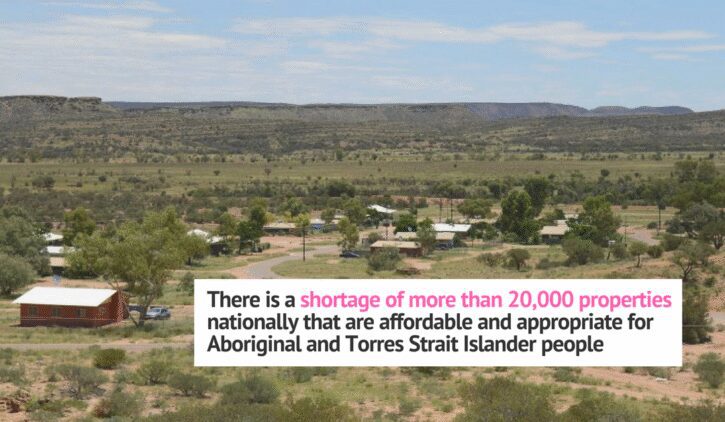
Overcrowding: Aboriginal households are more likely to be overcrowded. This fuels illness, poor educational outcomes, and family stress.
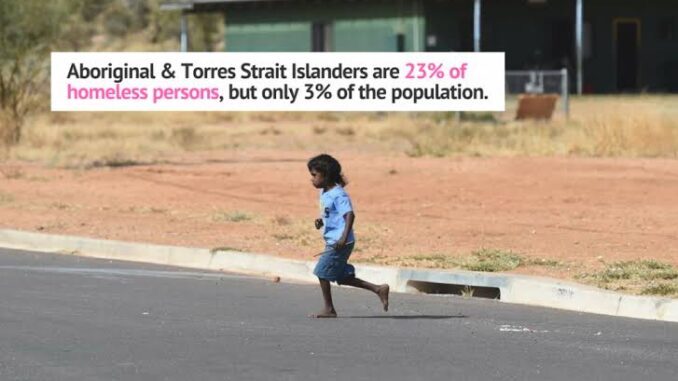
Homelessness: Aboriginal people are dramatically overrepresented in homelessness statistics, often cycling between short-term housing and insecure tenancies.
Remote housing crisis: In remote communities, housing is often poorly maintained, unsafe, and lacking basic services like running water or sewerage.
Urban disadvantage: In cities and towns, discrimination in the rental market remains widespread, shutting families out of safe housing.
Housing inequality is not incidental – it is a continuation of being pushed to the margins.
Education Inequality
Education is often framed as the pathway to equality, but for many Aboriginal children, the system itself is hostile.
Attendance gaps: Aboriginal students are less likely to attend school regularly, often due to poverty, transport barriers, or culturally unsafe environments.
Achievement gaps: Literacy and numeracy results lag behind national averages, especially in remote areas.
Exclusion and discipline: Aboriginal children are more likely to be suspended or expelled, feeding into the “school-to-prison pipeline.”
Higher education: University participation has improved but remains significantly lower than the national rate.
For generations, Aboriginal people were denied education outright or given inferior, segregated schooling. Today’s inequalities cannot be understood without that history.
The Weight of Intergenerational Disadvantage
Health, housing, and education do not exist in isolation. They reinforce one another:
Poor housing contributes to poor health.
Poor health undermines school attendance and achievement.
Lack of education limits employment opportunities, perpetuating poverty.
This cycle is often blamed on “community dysfunction” – but the dysfunction lies in the systems built by colonisation.
Closing the Gap?
In 2008, the Australian government launched the Closing the Gap strategy, promising to reduce inequalities in health, education, and employment.
Some improvements have been made – in child mortality and education participation.
But many targets remain unmet, or progress has stalled.
Aboriginal leaders argue that programs fail because they are designed from the top down, rather than led by communities themselves.
Closing the Gap shows a painful truth: without structural change and self-determination, gaps cannot be closed by policy slogans alone.
Why This Matters Today
When Aboriginal and Torres Strait Islander people die younger, live in worse housing, and face unequal education, it is not because they are failing. It is because Australia continues to fail them.
Every statistic is a reminder that colonisation is not finished. It is alive in the structures that produce inequality every day.
Where This Leads
Health, housing, and education gaps expose the ongoing price of colonisation. But they are not the whole story. Behind these structures are powerful interests – media, political elites, and corporate giants – that work to deny, distort, or block truth-telling and reform.
The next chapter turns to those vested interests, and why they are so determined to prevent real change.
Continued tomorrow…
Link to Part 19:
From Ignorance to Understanding: Facing the Truth of Colonisation (Part 19)
Link to Part 21:
From Ignorance to Understanding: Facing the Truth of Colonisation (Part 21)
Dear reader, we need your support
Independent sites such as The AIMN provide a platform for public interest journalists. From its humble beginning in January 2013, The AIMN has grown into one of the most trusted and popular independent media organisations.
One of the reasons we have succeeded has been due to the support we receive from our readers through their financial contributions.
With increasing costs to maintain The AIMN, we need this continued support.
Your donation – large or small – to help with the running costs of this site will be greatly appreciated.
You can donate through PayPal or credit card via the button below, or donate via bank transfer: BSB: 062500; A/c no: 10495969


Be the first to comment