
By Peter Brown
On July 28, 2025, Australia’s political landscape faced a fresh jolt as Pauline Hanson of One Nation and Matt Canavan of the Nationals reignited the contentious debate over the nation’s net-zero-by-2050 emissions target. Hanson introduced an urgency motion in the Senate to scrap the policy, arguing it drives up electricity costs, devastates jobs, and offers negligible global impact given Australia’s minor contribution to worldwide emissions. Canavan, a vocal critic, joined her, pushing for cheaper, reliable energy over what he calls an economic burden. The motion, however, was swiftly defeated 39-7, with only a handful of right-leaning senators, including Canavan and Alex Antic, backing it, while most Coalition members abstained.
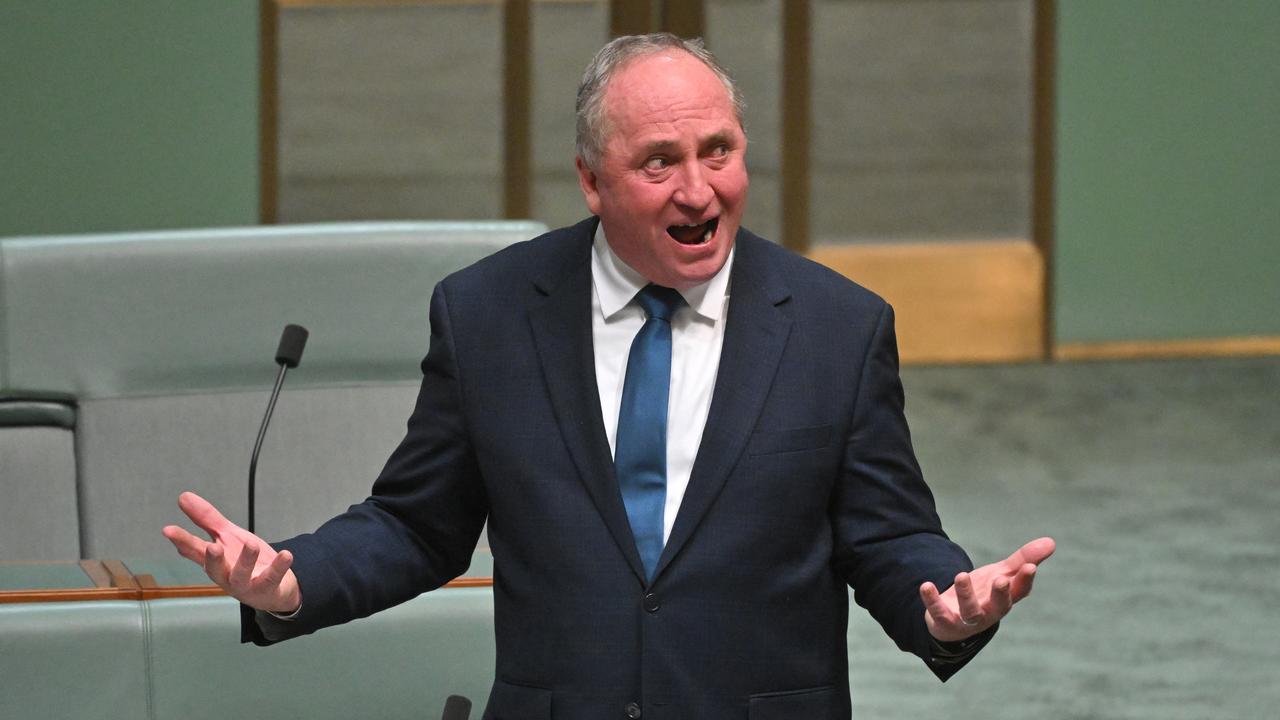
The vote exposed deep fissures within the Coalition. Opposition Leader Sussan Ley, steering a centrist course post-election, directed her senators to abstain as the party conducts a policy review following its May electoral setback. Yet, this stance frustrated hardliners like Canavan, who praised Hanson’s move as putting the issue back on the agenda, and Barnaby Joyce, who’s floated a private bill to repeal the target. Moderates like Jane Hume and Andrew McLachlan broke ranks to vote against the motion, citing voter demand for climate action, highlighting the party’s internal tug-of-war.
Hanson’s pitch taps into public frustration, with claims of small businesses buckling under $10,000 monthly power bills and industries like farming suffering. She points to rising global emissions, particularly from China, to question the policy’s efficacy. Canavan echoes this, advocating for gas and coal over renewables, a stance that clashes with Labor and the Greens, who dismissed the motion as a populist stunt. The UN warns that abandoning net zero could slash living standards by $7,000 per person by 2050, a counterpoint ignored by the motion’s supporters.

The debate reflects broader tensions: economic pragmatism versus climate commitments. With One Nation gaining two Senate seats in May, its influence on the Coalition’s right flank grows, threatening Ley’s leadership. Posts on social media suggest a polarised public, with some cheering the anti-net-zero stance and others decrying it as climate denial. As the Coalition’s review looms, this clash could reshape Australia’s environmental and economic future – or deepen its political divide.
Dear reader, we need your support
Independent sites such as The AIMN provide a platform for public interest journalists. From its humble beginning in January 2013, The AIMN has grown into one of the most trusted and popular independent media organisations.
One of the reasons we have succeeded has been due to the support we receive from our readers through their financial contributions.
With increasing costs to maintain The AIMN, we need this continued support.
Your donation – large or small – to help with the running costs of this site will be greatly appreciated.
You can donate through PayPal or credit card via the button below, or donate via bank transfer: BSB: 062500; A/c no: 10495969

Hanson quotes a small business owner to bolster her very flimsy argument:
I recently spoke to a small business owner who told me they’re paying $10,000 a month just for electricity, on top of rent…..
We need details to evaluate this claim: what business are they in, what are their principal areas of electricity consumption, e.g. do they operate cold-rooms ; how many people do they employ, what floor space do they occupy?
Without basic data Pauline’s arguments mean nothing, as usual.
I know of a business that operates twenty-four-hour chillers to keep their edible food stocks at the required temperature. They were paying something similar and tried to do a deal with their local electricity supplier to cut costs but without success. They did the math and decided to lease two Caterpillar diesel generators – over the short term it did save them money but not to the extent they expected, they have now returned to the grid and improved insulation.
Facts, Pauline, facts !!
Terry, someone needs to challenge her with a “please explain.”
Terry,
I think she spoke to her reflection in a mirror and talked what it costs for her to run her flush and shit shop.
Pauline is correct, Just what will be the benefit to Australia of “net Zero”?
The atmosphere of our world impacts on all and is in turn impacted by all. Even should we reach “net zero” we will still feel the effects of “climate changes”.
Reaching “net zero” without nuclear power will do more harm to our country, than it would benefit us.
@ jonangel
Please tell us where and how we will deal with nuclear waste.
This has never been answered effectively by anyone – perhaps you have the answer?
By the way it is not “a few coke cans full” as described by Dutton. We currently produce 45 cubic metres of low level waste, mainly for medical isotope production, and we are having problems dealing with that.
One proposal was in the already contaminated Maralinga. If this goes ahead, then how will we transport tons of waste from northern Qld to that site when transporting it anywhere by road is illegal right across Australia?
And this completely ignores the fact that we have no expertise, experience or infrastructure to even build one.
Please enlighten us!
Oh and by the way, would you be happy to have a high level nuclear waste facility located near you – wherever you are?
No?
In answer to your question, I could be facetious and say, put it in 44ltr drums and store it in warehouses in Sydney, like we do with our nuclear waste now.
But on a serious level, locate a geological stable site, solidify it and bury it deep.
The article says the motion was defeated 39:7
After all the fossil fueler / nuclear BS we have had to endure over the years, and given parliaments are full of political stagers & point-scorers, one would have thought the 18% would have got it through their tinfoil hats that its gunna be renewables, along with high ‘Net Zero’ ambitions.
Any arguments that 18% now give are spurious, lack proper thought and evidence.