The Albanese government “hasn’t missed the boat but had better start swimming” after it failed to meet a crucial milestone in the landmark Global Ocean Treaty negotiations ahead of the UN General Assembly (UNGA) this week, says Greenpeace.
From today, 60 countries have officially ratified the Global Ocean Treaty (also known as the High Seas Treaty or Biodiversity Beyond National Jurisdiction Agreement/BBNJ), marking a major milestone in the landmark agreement that will allow governments to create marine sanctuaries in international waters. But Australia was not one of them.
Elle Lawless, Senior Oceans Campaigner at Greenpeace Australia Pacific, said:
“We now have enough ratifications to bring this landmark treaty to life, but it’s disappointing that Australia isn’t one of them, despite being one of the first countries to sign the treaty at UNGA in 2023. Today is a global win, but a domestic disappointment.
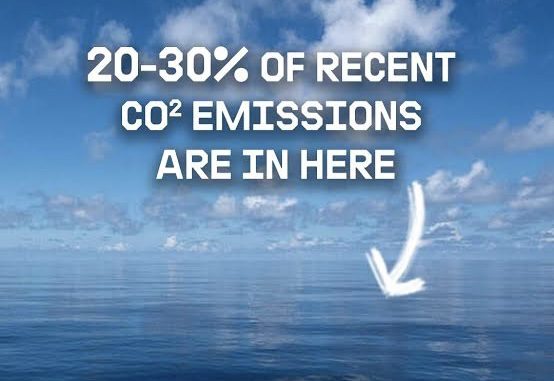
“The Global Ocean Treaty is one of the most significant protection treaties in history, and it should be prioritised by Australia. This week, Australia has damaged its standing as a champion of ocean protection by greenlighting dangerous fossil fuel projects and issuing weak climate targets. The government’s own National Climate Risk Assessment this month outlined the grim fate facing our oceans – more severe marine heatwaves, more loss of species and more ocean acidity.
“The Global Ocean Treaty is a critical tool that will give the ocean a shot at survival by allowing the creation of high seas ocean sanctuaries where marine life can rest, recover and thrive. The ocean needs a life buoy, and the Australian government is holding one in the treaty.”
Less than 1% of the High Seas are currently fully or highly protected. The treaty is crucial to expanding protection, establishing sanctuaries that help mitigate the climate crisis, and safeguarding food security for the billions who depend on ocean resources.
Greenpeace is calling on Australia to rapidly ratify the treaty, and propose ocean sanctuaries in the waters between Australia and New Zealand. The South Tasman Sea and Lord Howe Rise are of critical importance for protection, and are identified by the UN as areas of special biological significance.
“It’s not too late. Australia hasn’t missed the boat, but had better start swimming if it’s to catch up,” Lawless said. “The Albanese government must now ratify the Global Ocean Treaty and propose high seas ocean sanctuaries, starting with a large marine sanctuary in the South Tasman Sea. The health of our planet, the ocean and those who call it home depend on this treaty.”
The Global Ocean Treaty will enter into force in 120 days, paving the way for the first-ever Ocean COP, likely taking place in 2026.
Dear reader, we need your support
Independent sites such as The AIMN provide a platform for public interest journalists. From its humble beginning in January 2013, The AIMN has grown into one of the most trusted and popular independent media organisations.
One of the reasons we have succeeded has been due to the support we receive from our readers through their financial contributions.
With increasing costs to maintain The AIMN, we need this continued support.
Your donation – large or small – to help with the running costs of this site will be greatly appreciated.
You can donate through PayPal or credit card via the button below, or donate via bank transfer: BSB: 062500; A/c no: 10495969

The repressed, hidden, ignored, irritating facts on this topic worry some Australians, a little perhaps, but good old marking time helps soothing indecision. Surrounded by ocean, with glorious skies and vistas, the fabulous “bush”, somehow we look down, maybe at the dogshit in the park.