Climate Council Media Release
THE ALBANESE Government’s decision to approve the expansion of Glencore’s Ulan coal mine until 2035, revealed today, is a dangerous step backwards that undermines efforts to shield Australians from worsening climate harm.
The decision comes as the Climate Council releases new analysis today quantifying the impact of the Albanese Government’s fossil fuel project approvals on Australia’s pollution and our climate targets.
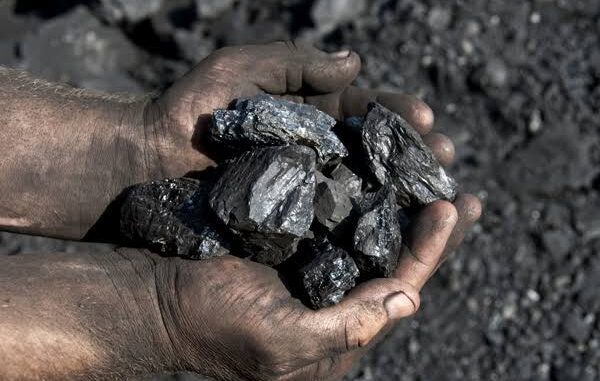
The Ulan extension would produce an extra 18 million tonnes of coal, which when burnt, will release more than 41 million tonnes of climate pollution in Australia and overseas – equivalent to taking over 500 million flights from Sydney to Melbourne.1
Climate Councillor Greg Bourne said: “Extending this polluting coal mine puts more Australians in harm’s way. The science is clear: coal production must fall rapidly if we’re to avoid the worst impacts of climate change. But today, the Federal Government waved through a project that will spew out over 40 million tonnes of climate pollution. That’s double the pollution from NSW’s entire transport sector in 2022.
“The Albanese Government acknowledges that climate change is fuelling harsher bushfires, longer droughts, and more destructive floods. Yet our outdated environment laws mean projects like this keep getting waved through without considering their climate damage” Greg Bourne said.
“Australian communities and the places we love are suffering the devastating impacts of climate change. Coral at Ningaloo and the Great Barrier Reef are bleaching to death. Marine heatwaves and algal blooms are wiping out South Australia’s marine life. Approving new coal and gas will make these devastating events more intense and more frequent.”
Climate Council CEO, Amanda McKenzie said: “It’s nonsensical to cut climate pollution with one hand while approving new coal projects with the other.
“Every time this government waves through a new coal or gas project, it undercuts Australia’s 2035 climate goal before it’s even set. Our analysis (attached) shows we’d already be starting from a clearly stronger position – about 10 million tonnes closer to net zero – if the government had simply followed the science and stopped greenlighting more fossil fuels.
“If the Government wants its 2035 climate target to be taken seriously, it must stop approving new and expanded coal and gas projects. Approving more coal now makes it harder to meet our climate goals, and puts Australians at greater risk of worsening climate disasters.
“While coal and gas projects are still being waved through without considering their climate damage, the Government can’t credibly claim it’s doing everything possible to fight climate change. It’s time to stop rubber-stamping pollution and start making decisions that put people’s lives and livelihoods first.”
1 Based on 76.7kg CO2-e of emissions associated with a typical one-way economy fare between Sydney Airport and Tullamarine, based on Travel Impact Model estimates.
Dear reader, we need your support
Independent sites such as The AIMN provide a platform for public interest journalists. From its humble beginning in January 2013, The AIMN has grown into one of the most trusted and popular independent media organisations.
One of the reasons we have succeeded has been due to the support we receive from our readers through their financial contributions.
With increasing costs to maintain The AIMN, we need this continued support.
Your donation – large or small – to help with the running costs of this site will be greatly appreciated.
You can donate through PayPal or credit card via the button below, or donate via bank transfer: BSB: 062500; A/c no: 10495969

Technically, it isn’t a new project, it’s just an extension of an existing one. This is part of how they lie and distort the true impact of their actions.
The government cannot walk both sides of the street here, which is what it’s doing. You can’t say, “We’ll take moves to reduce carbon emissions while extending a polluting project. They should have shortened the life of the project by at least five years.