Introduction: The New Workplace Reality Exposes Systemic Flaws
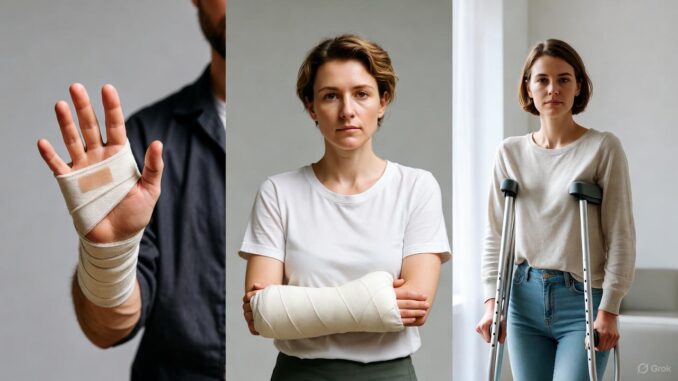
The dramatic shift toward remote work in Australia has created a critical stress test for the nation’s workers’ compensation systems, revealing fundamental flaws in how workplace injuries are recognised, assessed, and compensated. When 188 Australian workers lost their lives to traumatic injuries in 2024 and 146,700 serious workers’ compensation claims were lodged, the system already struggled to manage conventional workplace injuries. Now, with the boundaries between home and workplace blurred, these systems face unprecedented challenges in addressing injuries occurring in home offices, mental health conditions developing in isolation, and the adequacy of telehealth assessments. This article examines how Australia’s compensation framework is failing to adapt to the new world of work, creating absurd contradictions and leaving vulnerable workers without adequate protection or support.
1 The Statistical Foundation: Australia’s Workplace Injury Landscape
Understanding the current crisis requires examining the foundational data on Australian workplace injuries. According to Safe Work Australia’s 2025 Key Work Health and Safety Statistics, the situation presents both progress and persistent problems:
- Traumatic Injury Fatalities: Australia recorded 188 worker fatalities in 2024, representing a rate of 1.3 deaths per 100,000 workers. While this reflects a 24% decrease since 2014, the rate has remained relatively steady in recent years.
- High-Risk Industries: The statistics reveal alarming concentrations of harm, with 80% of work-related traumatic injury fatalities occurring in just six industries: Agriculture, forestry and fishing; Public administration and safety; Transport, postal and warehousing; Manufacturing; Health care and social assistance; and Construction.
- Mental Health Claims: Perhaps most significantly for remote workers, mental health conditions now account for 12% of all serious claims, representing a 14.7% increase on 2022–23 and a startling 161% increase compared to 10 years ago. The median time lost from work for these claims is almost five times longer than for other injuries and diseases .
These statistics provide crucial context for understanding the system already straining under conventional workplace injuries before the massive shift to remote work added new layers of complexity.
2 Homework Injuries: Legal Precedents and Regulatory Recognition
The recognition of injuries sustained while working from home has created novel legal challenges and begun establishing new precedents in compensation law.
2.1 The Vercoe Case: Establishing Compensability for Home Injuries
A landmark 2024 decision from the South Australian Employment Tribunal, Lauren Vercoe v Local Government Association Workers Compensation Scheme, established that injuries sustained while working from home can be compensable. The case involved Ms. Vercoe tripping over a pet fence during an authorised coffee break in her home office. The Tribunal determined her injuries arose out of her employment, reinforcing that a workplace includes a worker’s remote working environment. This decision underscores the critical importance of employers implementing robust safety measures and comprehensive policies that address risks in home workplaces.
2.2 Practical Complexities in Home Injury Claims
Despite legal recognition, practical difficulties persist in home injury claims:
- Evidentiary Challenges: Proving an injury occurred during work duties presents significant hurdles without witnesses or clear work boundaries.
- Diverse Work Arrangements: The highly variable nature of home workplaces complicates standardised safety approaches.
- Employer Responsibility: Employers maintain obligations to provide safe working conditions even in home environments, which may include providing ergonomic equipment or conducting home office assessments.
Legal experts note: “Working from home doesn’t automatically mean you’re unable to claim workers’ compensation, but the circumstances of your injury and employment arrangement will need careful legal assessment.”
3 The Mental Health Crisis: Systemic Neglect of Psychological Injuries
The compensation system’s approach to mental health represents one of its most significant failures, particularly problematic for remote workers who face isolation and blurred work-life boundaries.
3.1 The Regulatory Framework for Psychosocial Hazards
Under model Work Health and Safety (WHS) laws, persons conducting a business or undertaking (PCBU) must manage the risk of psychosocial hazards in the workplace. These hazards include:
- Job Demands: Excessive workload, tight deadlines, and traumatic content exposure.
- Low Job Control: Lack of autonomy over work arrangements.
- Poor Support: Isolation from colleagues and inadequate supervision.
- Role Ambiguity: Unclear responsibilities and expectations.
The regulatory recognition is clear: “Psychosocial hazards can create stress. This can cause psychological or physical harm. Stress itself is not an injury. But if workers are stressed often, over a long time, or the level of stress is high, it can cause harm.”
3.2 The Treatment Gap in Mental Health Services
Research reveals significant disparities in mental health service provision for physically injured workers:
- A study on low back pain (LBP) claims found only 9.7% of workers accessed mental health services through their compensation claim, despite the established connection between chronic pain and mental health issues.
- Prevalence of mental health service access increased with time off work, with the highest odds of accessing services among females and in Queensland, while regional areas and workers over 56 showed lower access rates.
- The study concluded there are “opportunities for workers’ compensation regulators and insurers to provide greater access to appropriate mental health services alongside physical treatment as standard practice.”
3.3 Proposed Legislative Restrictions
Alarmingly, instead of expanding access, proposed reforms would restrict mental health support. The Workers Compensation Legislation Amendment Bill 2025 suggests:
- Tightening Access: Lifting permanent impairment thresholds from 21% to 31% for ongoing payments and medical support.
- Eliminating Lump Sums: Workers between 15% and 30% impairment would lose access to lump sum compensation and common law damages.
- Restrictive “Relevant Events” Test: Psychological injuries would only be compensable if caused by a narrow list of events, excluding single bullying incidents, unreasonable management action, and most workplace pressures .
These changes would affect even victims of workplace sexual assault, bullying, racism and harassment, who would “no longer have recourse unless they reach the near unattainable 31 percent threshold.”
4 Telehealth Limitations: The Inadequacy of Remote Assessments
The heavy reliance on telehealth services during the pandemic created new challenges for injury assessment and treatment, particularly problematic for workers’ compensation cases.
4.1 Clinical Limitations of Telehealth
The Australian medical community recognises significant constraints in telehealth:
- Physical Assessment Restrictions: “Your ability to conduct a thorough physical assessment during a telehealth consultation is limited, which poses significant risk.”
- Mitigation Strategies: Clinicians may use workarounds like patient-owned equipment (blood pressure monitors, glucometers), functional assessments conducted by patients, or relying on examinations by other healthcare professionals physically present with the patient.
- Knowing Limitations: Medical guidelines stress “there may be times when you can’t sufficiently mitigate this risk” and emphasise recognising when in-person consultation is necessary.
4.2 Relationship and Continuity of Care Concerns
- Pre-existing Clinical Relationships: The absence of established doctor-patient relationships compromises care quality through limited access to clinical records, increased inappropriate prescribing risks, and reduced ability to detect prescription shopping.
- Follow-up Challenges: Inadequate follow-up poses risks including care continuity gaps, missed monitoring of conditions, and medication or treatment mismanagement .
4.3 Regulatory and Reimbursement Complexities
- Professional Standards: The Medical Board of Australia expects clinicians to “comply with good medical practice every time you consult a patient” and provide care that “meet[s] the same standards of care provided in an in-person consultation.”
- Privacy and Technology: Practitioners must use platforms with “adequate measures to protect the privacy and security of your patient’s health information” and “secure, reliable technology that is fit for clinical purpose.”
- Cross-border Practice Issues: When patients are in different jurisdictions from providers, clinicians must adhere to regulations governing both their own location and the patient’s location, particularly challenging with high-risk medications.
Continued tomorrow… Systemic Failures: A System in Critical Condition
Keep Independent Journalism Alive – Support The AIMN
Dear Reader,
Since 2013, The Australian Independent Media Network has been a fearless voice for truth, giving public interest journalists a platform to hold power to account. From expert analysis on national and global events to uncovering issues that matter to you, we’re here because of your support.
Running an independent site isn’t cheap, and rising costs mean we need you now more than ever. Your donation – big or small – keeps our servers humming, our writers digging, and our stories free for all.
Join our community of truth-seekers. Donate via PayPal or credit card via the button below, or bank transfer [BSB: 062500; A/c no: 10495969] and help us keep shining a light.
With gratitude, The AIMN Team


Thanks, Andrew, for another informative article.
Worker’s compensation is a topic easily forgotten unless you have to put in a claim yourself. Your article succinctly exposes the new complexities raised by working at home.